Received an ADA Website Compliance Demand Letter? What to Do (2026 Defense Guide)
Digital Compliance Auditors
Engineering & Audit Desk
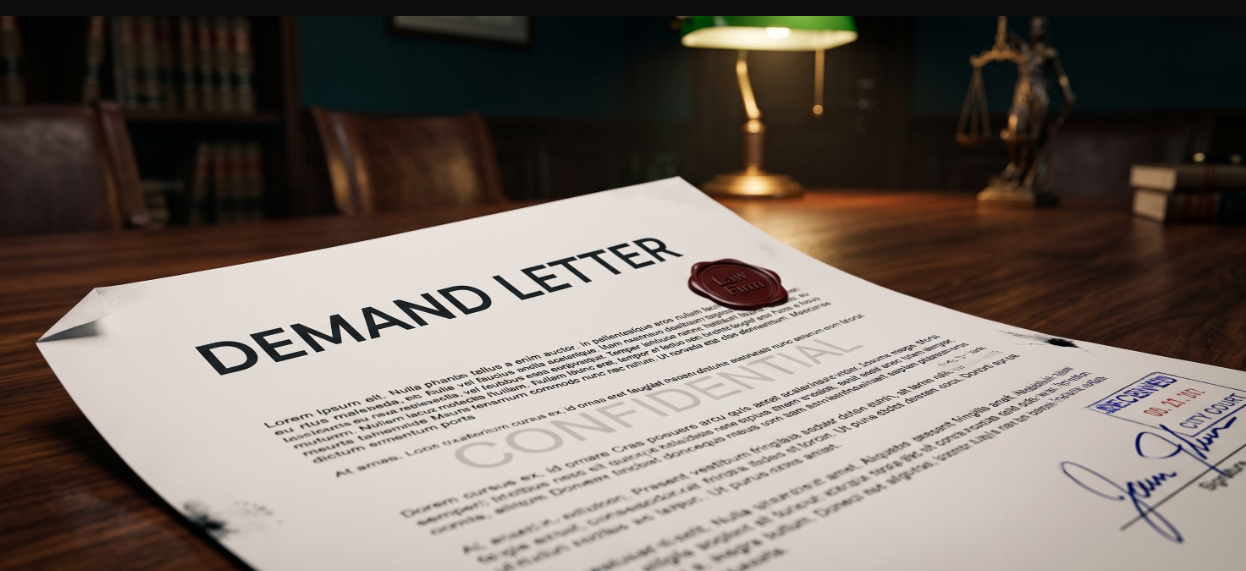
If you just received an ADA website compliance demand letter, the 14-day clock is ticking. Learn what to do immediately, how to evaluate settlement costs, and the technical defense required to permanently dismiss claims and prevent serial repeat lawsuits.
Table of Contents
- 1. The First 48 Hours: Critical Rules When You Receive a Letter
- 2. The Anatomy of an ADA Demand Letter: Serial vs. Legitimate Claims
- 3. ADA Website Lawsuit Settlement Costs: Real 2026 Industry Numbers
- 4. The Serial Lawsuit Trap: Why Paying Without Fixing Guarantees Lawsuit #2
- 5. How to Respond to Website Accessibility Lawsuits: The 5-Step Defense Protocol
- 6. Why Installing an Overlay Widget After a Demand Letter Is Catastrophic
- 7. How Independent Audits Neutralize Plaintiff Claims
- 8. Frequently Asked Questions (FAQ)
1. The First 48 Hours: Critical Rules When You Receive an ADA Demand Letter
Finding a certified envelope or email containing an Americans with Disabilities Act (ADA) Title III demand letter on your desk triggers instant executive anxiety. If you just received an ADA website compliance demand letter what to do first determines whether this dispute costs your company $5,000 or escalates into a catastrophic $65,000 federal court judgment.
Under Title III of the Americans with Disabilities Act and landmark precedents established across the Second and Ninth Circuit Courts of Appeals, public-facing websites, mobile applications, and eCommerce storefronts are widely recognized as places of public accommodation. When predatory plaintiff law firms scan your website, they do not send letters out of academic concern. They are running high-volume, automated discovery operations designed to force a swift cash settlement under the threat of a formal federal lawsuit.
During the initial 48 hours, adhere strictly to these non-negotiable rules:
✕ What NOT to Do
- Do not ignore the notice: Missing the 14-day or 21-day window results in an immediate federal docket filing.
- Do not make panicked public statements: Never post social media apologies or publicly concede that your website is non-compliant.
- Do not wire settlement fees: Sending unnegotiated funds surrenders your defense leverage.
- Do not install an overlay widget: Adding accessiBe or UserWay signals panic and will be exploited by opposing counsel.
✓ Mandatory Immediate Actions
- Calendar the deadline: Mark the response cutoff date and set alerts 5 days prior.
- Preserve the codebase: Create a full, timestamped backup of your server, HTML, CSS, and script assets.
- Engage specialized counsel: Contact an attorney who focuses exclusively on ADA Title III digital accessibility defense.
- Order an independent manual audit: Retain a credible compliance authority like Digital Compliance Auditors to perform human tester verification.
According to the official Department of Justice Guidance on Web Accessibility, entities covered by Title III must ensure effective communication. However, the DOJ has never codified automated tools as sufficient for compliance, emphasizing instead that actual functional barriers determine whether discrimination has occurred.
2. The Anatomy of an ADA Demand Letter: Serial vs. Legitimate Claims
Not all accessibility demand letters carry equal legal merit. In the current compliance landscape, roughly 85% of letters stem from serial plaintiff firms operating automated scrapers. These firms run headless software crawlers across hundreds of thousands of domain names, targeting Shopify stores, WordPress portals, and corporate SaaS sites.
A typical demand letter contains three primary components:
- The Standing Allegation: The letter states that a visually impaired or motor-impaired individual visited your website on a specific date and was allegedly denied equal access while attempting to browse products, read content, or complete a checkout.
- The Defect Appendix: A boilerplate list of alleged infractions of the Web Content Accessibility Guidelines (WCAG 2.1 or WCAG 2.2 Level AA), such as missing alternative text, insufficient contrast ratios, missing form labels, or broken keyboard navigation.
- The Settlement Demand: A threat that unless a monetary settlement ranging from $10,000 to $35,000 is wired within 14 days alongside an agreement to enter a multi-year monitoring contract, a complaint will be filed in the Southern District of New York (SDNY), Central District of California, or Florida federal courts.
When seasoned ada compliance website lawyers defense teams review these letters, the first step is cross-referencing the claimed barriers against the live codebase. Frequently, automated crawler reports cite false positives, such as decorative images marked as missing alt tags or off-screen mobile elements flagged as focus traps. Separating legitimate human access barriers from automated scanner hallucinations is the core foundation of your legal defense.
3. ADA Website Lawsuit Settlement Costs: Real 2026 Industry Numbers
Understanding the financial realities of ada website lawsuit settlement cost structures empowers you to negotiate from a position of fiscal strength rather than fear. When executives consult defense counsel, they often assume they must write a check for the exact number listed in the plaintiff’s demand. That is almost never true.
Here is a comprehensive breakdown of actual expenditures observed across federal Title III matters in 2026:
| Expense Category | Uncontested / Panicked Response | Structured Technical Defense |
|---|---|---|
| Pre-Litigation Settlement Payment | $15,000 – $35,000 | $3,500 – $8,500 (or outright dismissal) |
| Defense Attorney Fees | $5,000 – $12,000 | $3,000 – $6,000 |
| Third-Party Independent Audit | $0 (neglected) | $3,500 – $7,500 (DCA verification) |
| Subsequent Serial Lawsuits | $20,000 – $50,000+ (high probability) | $0 (protected by code remediation) |
| Total Financial Exposure | $40,000 – $97,000+ | $10,000 – $22,000 (total resolution) |
If a matter is permitted to escalate into an active federal docket lawsuit, defense legal fees climb rapidly. Drafting motions to dismiss, conducting evidentiary discovery, and deposing serial plaintiffs quickly incur $25,000 to $50,000 in hourly billing before remediation costs are even considered. Therefore, resolving the matter during the pre-litigation demand window with technical evidence is the single most cost-effective path available.
4. The Serial Lawsuit Trap: Why Paying Without Fixing Guarantees Lawsuit #2
The single most devastating mistake corporate executives make is viewing an ADA demand letter as a routine invoice. Company leadership pays $12,000 to Plaintiff Firm A under a standard confidential release, breathes a sigh of relief, and forgets about the website.
Thirty to sixty days later, a second certified letter arrives from Plaintiff Firm B representing an entirely different plaintiff.
Why does this happen? Under Title III of the ADA, money damages are not awarded under federal law; plaintiffs recover injunctive relief and statutory attorney fees. A private settlement between your company and Plaintiff A does not bind Plaintiff B, Plaintiff C, or any advocacy group. If your underlying source code remains inaccessible, your digital property sits in the public domain like an unlocked bank vault. Predatory law firms share lists of soft targets that pay settlements quickly without requiring formal court orders.
The Good-Faith Remediation Defense
To cut off serial liability, federal judges require proof of mootness and substantial compliance. When your defense attorney presents an independent third-party audit from an accredited authority alongside an active, milestone-driven remediation roadmap, competing plaintiff firms abandon their claims because they cannot demonstrate actionable injury in court.
5. How to Respond to Website Accessibility Lawsuits: The 5-Step Defense Protocol
Knowing how to respond to website accessibility lawsuit filings and pre-litigation letters requires a unified strategy combining legal counsel and specialized engineering. Here is the proven 5-step roadmap:
Step 1: Technical Claim Validation and Cross-Examination
Hand the defect report over to an independent accessibility auditor. We execute automated scans using engines like WCAG Pro and conduct manual screen reader tests with NVDA and JAWS to confirm whether the plaintiff’s software tool was mistaken or whether a genuine barrier blocked access.
Step 2: Rapid Remediation of High-Impact Severity Barriers
Within 7 business days, eliminate the critical barriers that create direct legal exposure: keyboard traps, missing alt tags on primary navigation images, unlabeled form controls on checkout pages, and broken ARIA expanded states on main menus.
Step 3: Drafting the Formal Remediation Agreement
Your defense attorney uses our technical audit to draft a formal counter-response. Instead of offering cash capitulation, counsel presents an objective audit report, a committed 60-day remediation schedule, and a demand for nominal legal expense reimbursement or a complete voluntary dismissal.
Step 4: Publishing an Official Accessibility Statement
Publish a comprehensive, transparent Accessibility Statement in your website footer. This statement outlines your WCAG 2.2 AA target, details current testing milestones, and provides a direct, accessible phone and email channel for assistive technology users to request human support.
Step 5: Post-Remediation Verification and Certification
Following code repairs, your auditors issue an official Letter of Conformance and an Accessibility Conformance Report (ACR). This documentation is retained on file to instantly rebuff any future demand letters sent by competing plaintiff firms.
6. Why Installing an Overlay Widget After a Demand Letter Is Catastrophic
When business owners receive a demand letter, their first instinct is often to search Google and purchase a $49/month accessibility widget promising instant, automated, AI-driven compliance with one line of JavaScript code.
This is the single most costly reaction possible. In April 2025, the Federal Trade Commission (FTC) approved a landmark consent order requiring accessiBe to pay $1 Million in penalties for deceptive marketing practices and making unsubstantiated claims regarding automated WCAG compliance. In private litigation, such as the class-action lawsuit filed by BloomsyBox against UserWay, plaintiffs documented that installing an overlay failed to protect businesses from lawsuits.
Plaintiff law firms actively monitor domain names for overlay installations. In court filings, plaintiffs attorneys routinely cite the presence of an overlay script as definitive evidence that the corporate defendant was fully aware of digital accessibility standards, knew their site contained barriers, yet chose an ineffective cosmetic overlay rather than remediating the source code. Over 1,000 federal lawsuits have specifically targeted websites with active overlays installed.
7. How Independent Audits Neutralize Plaintiff Claims
To convince a plaintiff attorney to walk away or accept a drastically reduced settlement, you must deprive them of their primary weapon: the claim that your business is willfully ignoring accessibility obligations.
An independent third-party manual audit produced by certified compliance specialists accomplishes three critical legal objectives:
- Dismantles Unsubstantiated Claims: High-volume automated demand letters routinely claim violations that do not exist or misinterpret WCAG success criteria. A line-by-line manual audit disproves fictitious allegations.
- Demonstrates Good-Faith Compliance: Under the Americans with Disabilities Act, courts view proactive, verifiable efforts to remediate code as evidence of compliance intent, dramatically reducing exposure to statutory damages.
- Provides an Engineering Blueprint: Instead of paying endless attorney retainers, your engineering team receives explicit HTML, ARIA, and CSS code snippets to fix barriers permanently.
Facing an Active Demand Letter or Lawsuit Deadline?
Do not let predatory plaintiff firms intimidate your business. Digital Compliance Auditors provides expedited 5-day manual accessibility audits, technical cross-examinations, and court-ready remediation documentation to arm your defense attorneys.
8. Frequently Asked Questions (FAQ)
What should I do first if I received an ADA website compliance demand letter?
Immediately record the response deadline, preserve your current website codebase without making hasty public changes, refrain from signing or paying any demanded fee, and commission an independent third-party manual accessibility audit to verify whether the claimed WCAG violations actually exist.
What is the average settlement cost for an ADA website lawsuit in 2026?
In 2026, pre-litigation demand letter settlements typically range from $5,000 to $25,000. If a formal federal lawsuit is filed, total costs (settlement plus defense legal fees and mandatory code remediation) routinely reach $25,000 to $65,000.
Can installing an accessibility overlay stop an ADA lawsuit?
No. Federal courts and the Department of Justice have repeatedly ruled that automated accessibility overlays do not satisfy ADA Title III requirements. In fact, plaintiffs attorneys frequently target sites with overlays as evidence of willful non-compliance, citing the landmark 2025 FTC ruling against accessiBe.
Does settling an ADA demand letter protect my company from future lawsuits?
No. A settlement agreement only binds the specific plaintiff who sent the letter. If you pay a settlement without remediating your underlying source code, other plaintiff law firms can and often do file a second lawsuit within 30 to 60 days.
Audited Editorial Standard
Every technical article published by Digital Compliance Auditors is reviewed by certified IAAP specialists (CPACC, WAS) to ensure accurate alignment with WCAG 2.2 AA success criteria and federal accessibility jurisprudence.